
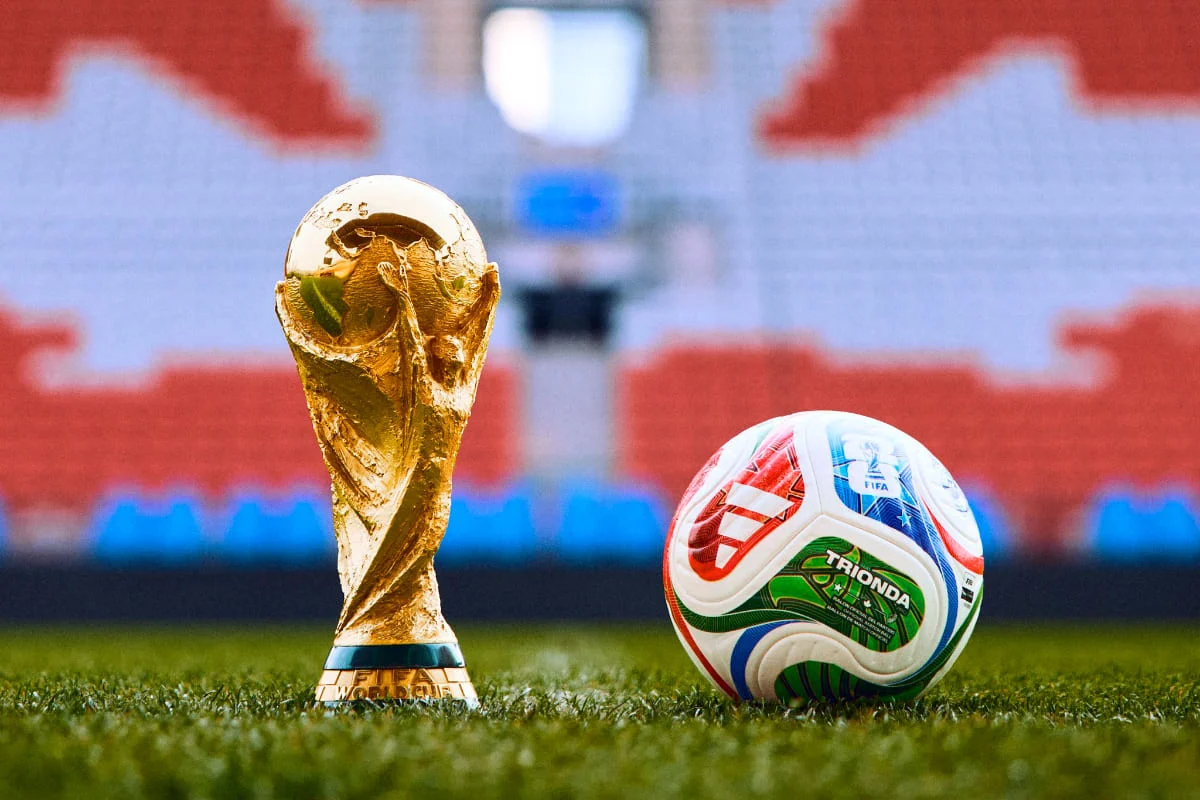
Every FIFA World Cup leaves a legacy.
Sometimes it’s remembered for breathtaking football. Sometimes it’s remembered for unforgettable players. And sometimes, it’s the lessons learned behind the scenes that shape the next edition more than the trophy itself.
The 2026 FIFA World Cup was unlike any before it. It introduced a 48-team format, stretched across three host nations, featured more than 100 matches, and welcomed millions of fans from around the globe. In many ways, it achieved what FIFA had hoped for: a bigger, more inclusive celebration of football.
But bigger also brought new challenges.
From scheduling concerns to player welfare, travel logistics, officiating debates, and the overall fan experience, the tournament exposed areas where FIFA still has work to do before the 2030 World Cup kicks off.
The good news is that none of these issues is impossible to fix.
If FIFA is willing to learn from both its successes and its mistakes, the next World Cup could become the best tournament the sport has ever seen.
Here are ten lessons FIFA should take forward.
1. Bigger Isn’t Automatically Better
The expansion to 48 teams was the biggest talking point before the tournament even began.
Many feared the competition would lose quality. Others believed more nations deserved the opportunity to compete on football’s biggest stage.
By the end of the tournament, both sides had valid arguments.
The increased number of teams produced inspiring stories and gave emerging football nations a chance to shine. Fans witnessed new rivalries, fresh playing styles, and countries making history simply by reaching the knockout rounds.
However, expanding the field also created a packed schedule that occasionally diluted the significance of individual matches.
One of the reasons previous World Cups felt so intense was that every fixture seemed to matter. With more than one hundred matches, it became harder for casual fans to keep up.
The lesson for FIFA isn’t to reduce the number of teams.
It’s to design a schedule that keeps excitement high from the opening match to the final whistle.
Quality should never become a casualty of quantity.
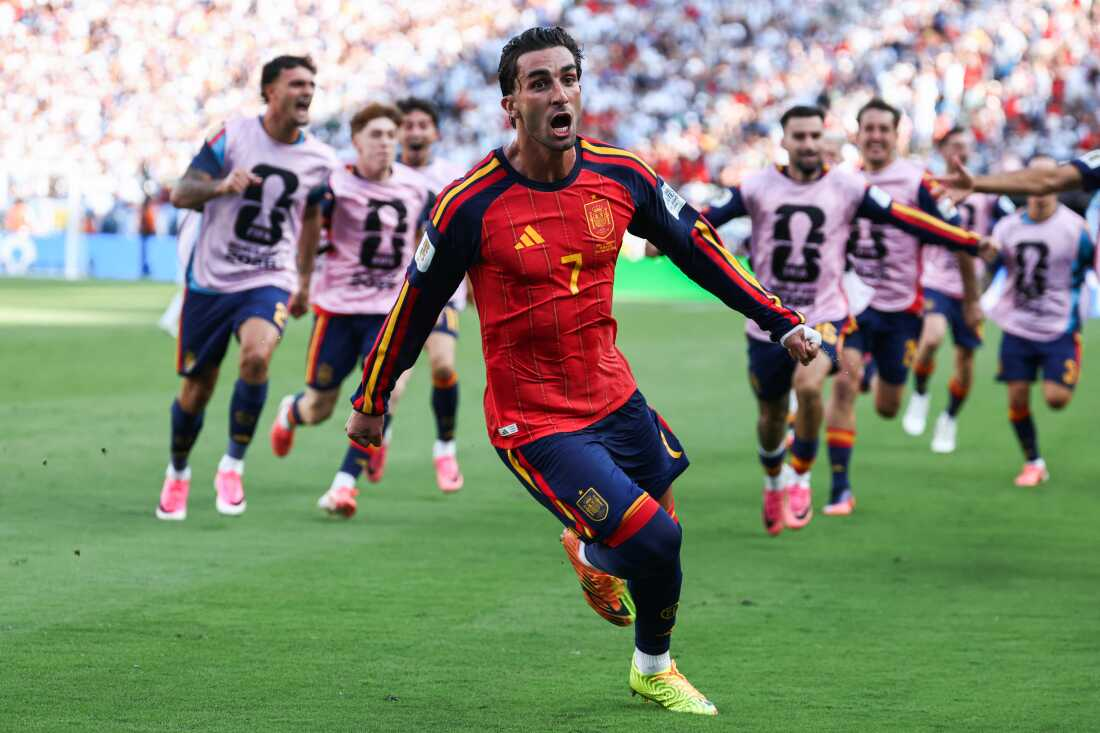
2. Player Welfare Must Be More Than a Talking Point
Modern football has become more demanding than ever.
Elite players now compete in domestic leagues, continental competitions, international qualifiers, club tournaments, and increasingly busy pre-season schedules.
By the time the World Cup begins, many are already carrying months of physical and mental fatigue.
The 2026 tournament once again highlighted how much strain today’s calendar places on players.
Long-distance travel between host cities, short recovery periods, changing climates, and the intensity of knockout football all added to the workload.
Supporters naturally want to see the world’s biggest stars on the pitch.
That becomes difficult when exhaustion increases the risk of injuries.
Before 2030, FIFA should work more closely with leagues, clubs, and players’ unions to create scheduling that prioritises recovery as much as competition.
The quality of football improves when the players are at their best.
3. Technology Should Support Football, Not Dominate It
VAR has become a permanent part of modern football.
While its accuracy has improved over the years, debates haven’t disappeared.
Some reviews were quick and effective.
Others interrupted the rhythm of games and left supporters inside stadiums confused about what was happening.
Football has always been an emotional sport.
Celebrating a goal only to wait for a lengthy review continues to frustrate many fans.
Technology should reduce obvious errors without removing the spontaneity that makes football so compelling.
FIFA should continue improving communication during reviews, making decisions clearer for spectators both inside stadiums and watching around the world.
The goal should never be perfection at the expense of enjoyment.
It should be fairness delivered efficiently.
4. Make the World Cup More Affordable for Fans
One of the biggest criticisms surrounding major sporting events isn’t about what happens on the pitch.
It’s about who can afford to be there.
For many supporters, attending the 2026 World Cup required paying for flights, accommodation, transportation, meals, and match tickets across multiple cities.
For families, following a national team throughout the tournament became financially impossible.
The World Cup belongs to supporters just as much as it belongs to players.
If ordinary fans are increasingly priced out of the experience, the atmosphere inevitably changes.
FIFA should continue exploring fairer ticket allocation systems, affordable travel packages, and initiatives that make attending the tournament accessible to supporters from every participating nation.
A stadium filled with passionate fans creates memories that money alone cannot buy.
5. Three Host Nations Require Smarter Logistics
Hosting the World Cup across three countries demonstrated remarkable organisational ambition.
Overall, the tournament ran successfully.
However, its geographical scale created unavoidable logistical challenges.
Teams sometimes travelled thousands of kilometres between matches.
Supporters faced complicated itineraries, expensive transport, and limited recovery time before following their countries to the next venue.
Even broadcasters and media organisations had to manage unprecedented travel demands.
Future multi-country tournaments are likely to become more common.
That makes smarter planning essential.
Grouping teams within regional clusters for longer periods before requiring major travel could significantly reduce fatigue for everyone involved.
The goal should be to let football—not logistics—become the main story.
6. Protect the Matchday Experience
The World Cup is more than ninety minutes of football.
For many supporters, it’s a once-in-a-lifetime experience that begins long before kick-off and continues well after the final whistle. It’s the journey to the stadium, meeting fans from different countries, singing national anthems together, and soaking in an atmosphere unlike any other sporting event.
As football becomes increasingly commercial, FIFA must be careful not to lose that magic.
Sponsors play an important role in funding the tournament, but the football should never feel secondary to entertainment, advertising, or corporate hospitality.
The 2026 World Cup introduced new entertainment elements that appealed to some audiences while leaving others wondering whether the tournament was beginning to resemble a commercial spectacle more than a football competition.
Innovation is welcome.
But it should always complement the game, not compete with it.
Before 2030, FIFA should continue asking one simple question before introducing new ideas:
Does this improve the football experience, or simply make the event bigger?
That distinction matters.
7. Communication Builds Trust
One of the recurring frustrations during the tournament wasn’t necessarily the decisions themselves.
It was how little fans understood them.
Whether it involved VAR reviews, disciplinary rulings, scheduling changes, or tournament regulations, supporters often relied on television commentators or social media to understand what had just happened.
In an age where information travels instantly, silence creates confusion.
Other major sports have embraced greater transparency by allowing audiences to hear referees explain decisions or by providing immediate explanations inside stadiums.
Football has started moving in that direction, but there is still room for improvement.
Clear communication benefits everyone.
Supporters feel respected.
Players understand decisions more quickly.
Managers have fewer reasons to speculate.
Most importantly, transparency builds confidence in the competition itself.
FIFA doesn’t need fewer difficult decisions.
It needs better explanations of them.
8. Sustainability Must Become More Than a Promise
Every major sporting event now includes ambitious sustainability goals.
The 2026 World Cup was no exception.
Yet hosting a tournament across multiple countries and dozens of cities naturally raises questions about environmental impact.
Millions of supporters travelled by air.
Teams, officials, broadcasters, and staff covered enormous distances throughout the competition.
No World Cup will ever have zero environmental impact.
That isn’t realistic.
What matters is whether organisers continue investing in practical solutions rather than relying on broad promises.
Improved public transport, renewable energy in stadiums, waste reduction programmes, and long-term community investments should become standard expectations rather than headline announcements.
Fans increasingly care about how major tournaments affect the world beyond football.
FIFA should recognise that sustainability is no longer a public relations exercise.
It’s part of the tournament’s legacy.
9. Smaller Nations Need More Than Qualification
One of the greatest successes of the expanded World Cup was allowing more countries to compete.
But qualification alone isn’t enough.
Many developing football nations still face significant challenges long before arriving at the tournament.
Limited funding.
Fewer high-quality friendly matches.
Less competitive youth development.
Reduced access to elite coaching resources.
The World Cup shouldn’t simply celebrate football’s growth every four years.
It should actively encourage that growth between tournaments.
FIFA already invests in football development programmes, but expanding access to coaching education, sports science, referee development, and international competition would help emerging nations become even more competitive.
The stronger every nation becomes, the stronger the World Cup becomes.
The success of the 2026 tournament showed that global football is improving.
Now FIFA has an opportunity to accelerate that progress.
10. Never Forget Why the World Cup Matters
Every edition introduces something new.
New technology.
New formats.
New marketing strategies.
New commercial opportunities.
Those innovations can help the tournament evolve.
But they should never distract from what has made the World Cup special for nearly a century.
The competition has always been about people.
Children watching their first World Cup.
Families gathering around televisions.
Communities celebrating historic victories.
Underdogs proving that belief can sometimes overcome reputation.
Legends creating moments that are remembered for generations.
Those memories cannot be manufactured.
They happen naturally when football takes centre stage.
Before planning the next tournament, FIFA should remember that supporters don’t fall in love with scheduling models or commercial partnerships.
They fall in love with unforgettable matches, extraordinary players, and moments that unite the world.
Everything else should support that mission.
Final Thoughts
Judged purely by the football, the 2026 FIFA World Cup was a success.
The expanded format created fresh stories, introduced new footballing nations to a global audience, and delivered a knockout stage full of drama and unpredictability.
At the same time, the tournament exposed challenges that cannot be ignored.
An overloaded schedule tested players’ endurance.
Long-distance travel stretched teams and supporters alike.
High costs made attending matches difficult for many loyal fans.
Officiating debates continued despite technological improvements.
None of these issues overshadowed the tournament.
But each provides an opportunity to improve.
The encouraging part is that FIFA doesn’t need to reinvent the World Cup before 2030.
It simply needs to refine what already works.
Protect the players.
Listen to supporters.
Communicate more openly.
Improve logistics.
Keep innovation focused on enhancing football rather than distracting from it.
If those lessons are taken seriously, the 2030 World Cup won’t just be bigger.
It will be smarter.
And that’s exactly what the world’s biggest sporting event should strive to become.