
The FIFA World Cup has always been more than a football tournament. Every four years it becomes a snapshot of where the sport stands, how technology is changing the game, and how millions of fans around the world experience football together.
The 2026 FIFA World Cup was arguably the biggest experiment in the tournament’s history. It was the first World Cup hosted by three countries, the first with 48 teams, and the largest tournament ever staged. Before kickoff, there were countless questions.
Would 48 teams dilute the quality?
Could three nations successfully organize a seamless tournament?
Would fans embrace the expanded format?
Could players survive the demanding schedule after another packed club season?
Now that the tournament has concluded, we finally have answers.
Some changes exceeded expectations. Others revealed challenges FIFA will need to address before 2030.
Here’s a complete review of what worked, what didn’t, and what football learned from the 2026 World Cup.
Bigger Didn’t Mean Worse
One of the loudest criticisms before the tournament centered on expansion.
For decades, the World Cup featured 32 teams. Many believed increasing the field to 48 would simply create more one-sided matches.
That prediction never fully materialized.
Instead, football fans witnessed one of the most globally representative tournaments ever held.
More nations arrived believing they belonged.
Several debutants proved competitive.
Traditional underdogs pushed established powers.
The expanded qualification system also meant more continents remained invested throughout qualifying, increasing worldwide interest months before the tournament even began.
Rather than weakening the competition, expansion gave international football new stories to celebrate.
New Football Nations Finally Had Their Moment
Perhaps the greatest success of the tournament wasn’t lifting the trophy.
It was seeing countries previously absent from the World Cup finally compete on football’s biggest stage.
For players from emerging football nations, qualifying alone represented decades of work.
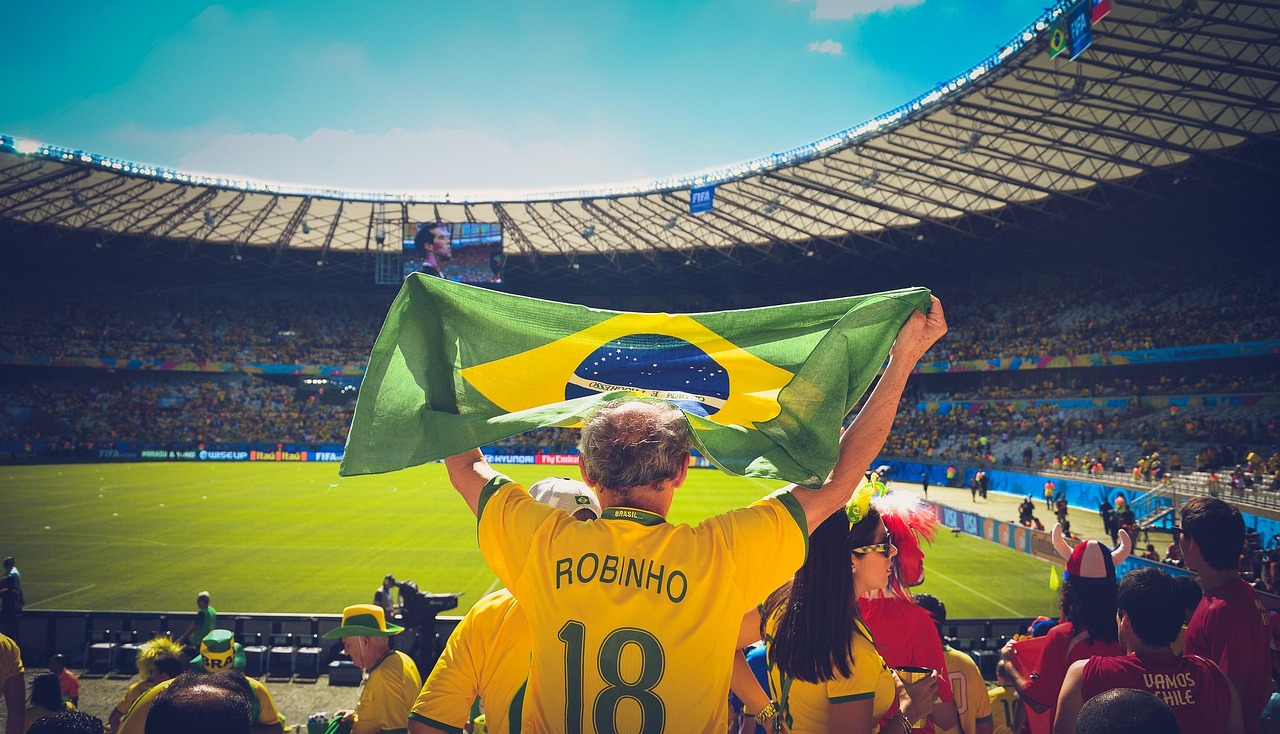
Young fans who had never seen their country appear at a World Cup suddenly had heroes wearing their national colors.
Those moments matter.
International football grows when more countries believe qualification is realistic rather than impossible.
While not every newcomer advanced deep into the tournament, many showed they could compete tactically and physically with more established teams.
That will likely improve future qualification cycles even further.
Hosting Across Three Countries Was Surprisingly Smooth
Many doubted whether three host nations could deliver a unified tournament experience.
Logistics appeared overwhelming.
Different governments.
Different stadiums.
Different currencies.
Thousands of miles separating venues.
Instead, organization proved far better than expected.
Transportation systems generally handled enormous crowds.
Training facilities met elite standards.
Security remained strong throughout the competition.
Most importantly, supporters experienced unique regional cultures while still feeling part of one tournament.
Each country contributed something different.
Mexico offered historic football passion.
Canada showcased modern stadium infrastructure.
The United States provided massive venues capable of hosting unprecedented crowds.
Rather than competing with one another, the three hosts complemented each other remarkably well.
Stadium Atmospheres Became Better as the Tournament Progressed
Early group matches occasionally received criticism for lacking the intimidating atmosphere associated with previous World Cups.
Some large stadiums initially felt oversized.
However, once knockout football arrived, everything changed.
Supporters from every continent filled stadiums with unforgettable noise.
National anthems became emotional spectacles.
Late goals triggered explosive celebrations.
Penalty shootouts created tension impossible to replicate anywhere else.
The atmosphere reminded everyone why the World Cup remains football’s greatest stage.
Technology Continues to Change Football
VAR remained one of the tournament’s biggest talking points.
Although controversial moments still occurred, reviews generally became faster than in previous competitions.
Semi-automated offside technology also reduced lengthy delays.
Referees spent less time standing beside pitch-side monitors.
Fans received decisions more quickly.
Broadcasters displayed clearer visual explanations than during earlier tournaments.
Technology will probably never eliminate controversy.
Football fans enjoy debating decisions too much.
But the system became noticeably smoother than it had been in Qatar four years earlier.

Data Became More Visible Than Ever
Modern football has become obsessed with numbers.
The 2026 World Cup embraced that reality.
Broadcasters regularly displayed:
- Sprint speeds
- Distance covered
- Passing accuracy
- Defensive positioning
- Shot probabilities
- Possession sequences
These statistics helped casual viewers understand tactical battles that previously went unnoticed.
Instead of simply watching players run, fans could appreciate pressing intensity, recovery distances, and positional discipline.
Football coverage continues becoming smarter without losing its entertainment value.
Tactical Variety Returned
One criticism of modern football is that many teams now play similarly.
The World Cup reminded everyone that international football still offers remarkable tactical diversity.
Some teams dominated possession.
Others defended deep before counterattacking.
Several relied heavily on wing play.
Others built patiently through midfield.
Different football philosophies collided every day.
That diversity made the tournament unpredictable.
No single tactical system guaranteed success.
Adaptability often mattered more than style.
The Physical Demands Were Obvious
The modern football calendar remains one of the sport’s biggest problems.
Many players entered the World Cup after exhausting club seasons.
Some arrived carrying minor injuries.
Others struggled to maintain peak intensity across multiple matches.
The tournament highlighted growing concerns about player workload.
Elite footballers now compete nearly year-round.
Domestic leagues.
Continental competitions.
International qualifiers.
Club World Cups.
Friendlies.
National tournaments.
The calendar leaves little room for recovery.
Although fitness standards continue improving, even the world’s best athletes have limits.
Expect discussions about scheduling to become even louder before the next World Cup.
Smaller Nations Closed the Gap
One of the tournament’s biggest lessons involved competitive balance.
Traditional football superpowers no longer dominate every match.
Coaching quality has improved worldwide.
Sports science has spread globally.
Video analysis is now accessible almost everywhere.
As a result, smaller football nations continue narrowing the gap.
Several favorites struggled against opponents who would have been considered easy victories twenty years ago.
Modern football punishes complacency.
Every team now arrives with tactical preparation and professional infrastructure.
The days of routine 6–0 victories at World Cups may become increasingly rare.
Goalkeeping Reached Another Level
The tournament featured exceptional goalkeeping performances.
Modern keepers no longer focus solely on stopping shots.
They’re expected to:
- Build attacks
- Play under pressure
- Act as sweepers
- Launch counterattacks
- Organize defensive structures
Several matches were decided by extraordinary saves rather than spectacular goals.
Penalty shootouts also showcased how much goalkeeper preparation has evolved.
Detailed research, analytics, and psychological preparation now play enormous roles.
Fans Created the Real Magic
No technological innovation can replace supporters.
Every World Cup creates unforgettable images.
Fans traveling thousands of miles.
Families celebrating historic victories.
Children seeing their first World Cup match.
Entire cities transformed by football.
The 2026 tournament continued that tradition.
Social media amplified these experiences even further.
Supporters shared celebrations instantly across the globe, making the World Cup feel more connected than ever before.
Football remains one of the few events capable of uniting billions around shared emotion.
Commercial Growth Continued
The expanded tournament naturally created more commercial opportunities.
More matches meant:
- More broadcasting revenue
- More sponsorship exposure
- More ticket sales
- Greater tourism
- Increased merchandise demand
Financially, the tournament proved another major success.
The challenge for FIFA moving forward will be ensuring commercial expansion never overshadows football itself.
Fans accept sponsorships.
They don’t want the tournament to feel designed primarily around advertising.
Maintaining that balance remains essential.
Sustainability Still Needs Improvement
Hosting an event of this size inevitably raises environmental questions.
Long-distance travel between venues increased carbon emissions.
Supporters often needed multiple flights during the tournament.
FIFA introduced sustainability initiatives, but critics argued more ambitious action remains necessary.
Future tournaments will likely face increasing pressure to reduce environmental impact without sacrificing accessibility.
This issue isn’t unique to football.
Every global sporting event now confronts similar challenges.
The Expanded Format Was Ultimately Successful
By the final whistle, most early skepticism surrounding 48 teams had faded.
The additional nations created more stories.
More fans stayed engaged.
More continents celebrated qualification.
The knockout stages still delivered elite football.
Most importantly, the tournament never felt diluted.
Instead, it felt larger.
Football proved capable of growing without losing its identity.
Lessons for the 2030 World Cup
Every World Cup serves as preparation for the next.
The biggest lessons from 2026 include:
- Expansion can succeed when organization is strong.
- Technology should assist rather than dominate refereeing.
- Player workload needs serious attention.
- Smaller nations deserve greater respect.
- Fan experience remains the tournament’s greatest strength.
- Stadium atmosphere matters just as much as infrastructure.
- Sustainability must become a higher priority.
These lessons will influence how FIFA plans future tournaments.
Final Verdict
The 2026 FIFA World Cup carried enormous expectations, and while it wasn’t perfect, it succeeded in proving that football’s biggest tournament can evolve without losing what makes it special.
The expanded field gave more nations a genuine chance to dream, and many repaid that opportunity with performances that challenged old assumptions about the gap between football’s elite and everyone else. Hosting across three countries, once seen as a logistical gamble, demonstrated that modern infrastructure and careful planning can deliver a cohesive global event.
There were shortcomings. Player workload remains an unresolved issue, travel distances raised legitimate sustainability concerns, and the balance between commercial growth and the fan experience will continue to be debated. Yet those challenges never overshadowed the football itself.
Ultimately, the lasting memory of the 2026 World Cup will not be the new format or the technology. It will be the moments that define every great tournament: unexpected heroes, unforgettable goals, dramatic upsets, packed stadiums, and billions of people sharing the same emotions across every continent.
The game changed in 2026, but its heart remained exactly the same.