
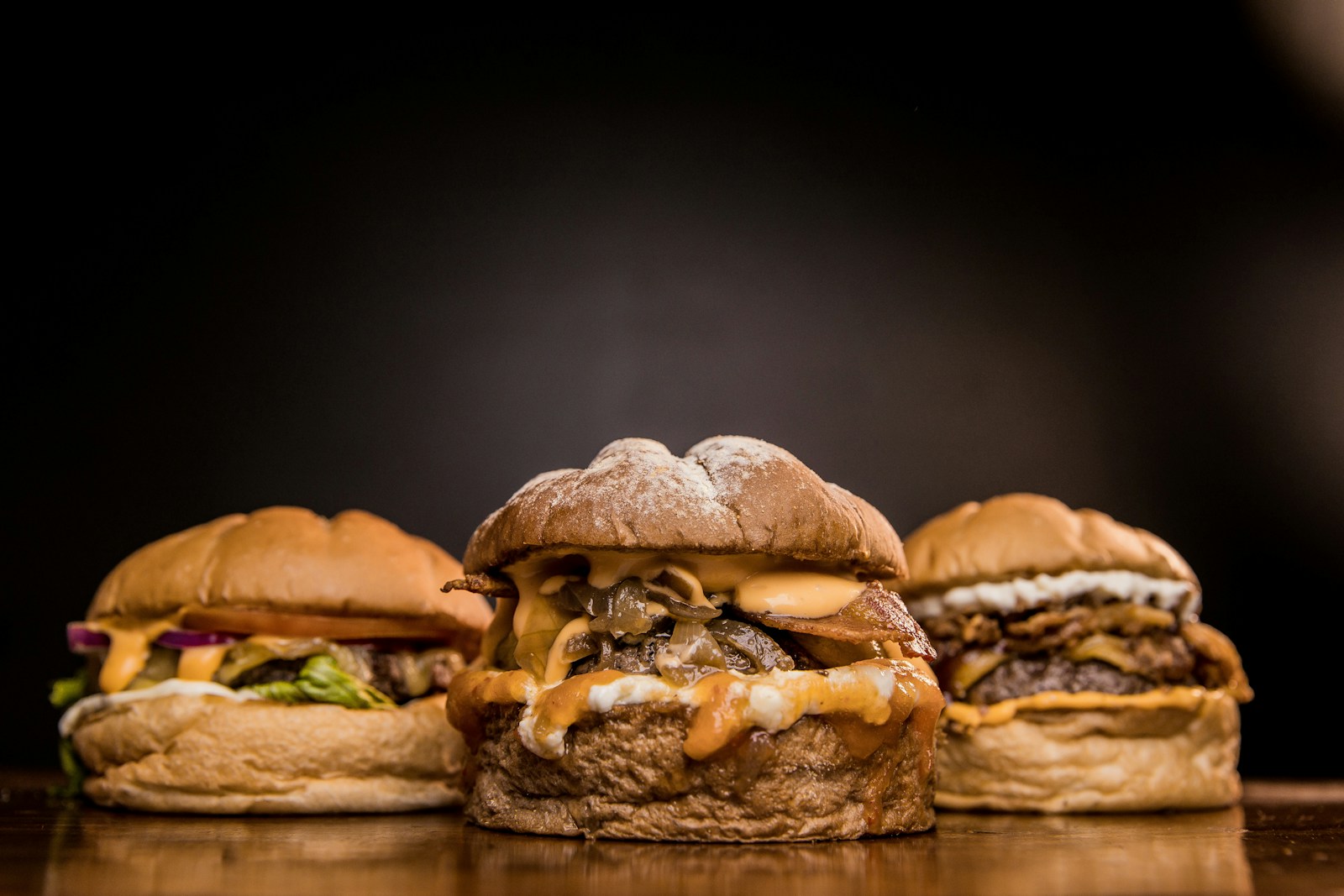
Walk through any grocery store, and you’ll see labels shouting “natural,” “organic,” “clean,” and “minimally processed.” Scroll through social media, and you’ll probably come across someone claiming that all processed foods are harmful and that the only path to good health is eating foods exactly as nature intended.
But is it really that simple?
Not quite.
The truth is that nearly every food we eat has been processed in some way. Washing spinach, freezing vegetables, roasting coffee beans, grinding oats into flour, and pasteurizing milk are all forms of processing. That doesn’t automatically make these foods unhealthy.
The real question isn’t whether a food is processed. It’s how much it’s processed, what has been added, and how that food fits into your overall diet.
In this guide, we’ll look at what science actually says about whole foods and processed foods, clear up common misconceptions, and help you make smarter choices without unnecessary fear or confusion.
What Are Whole Foods?
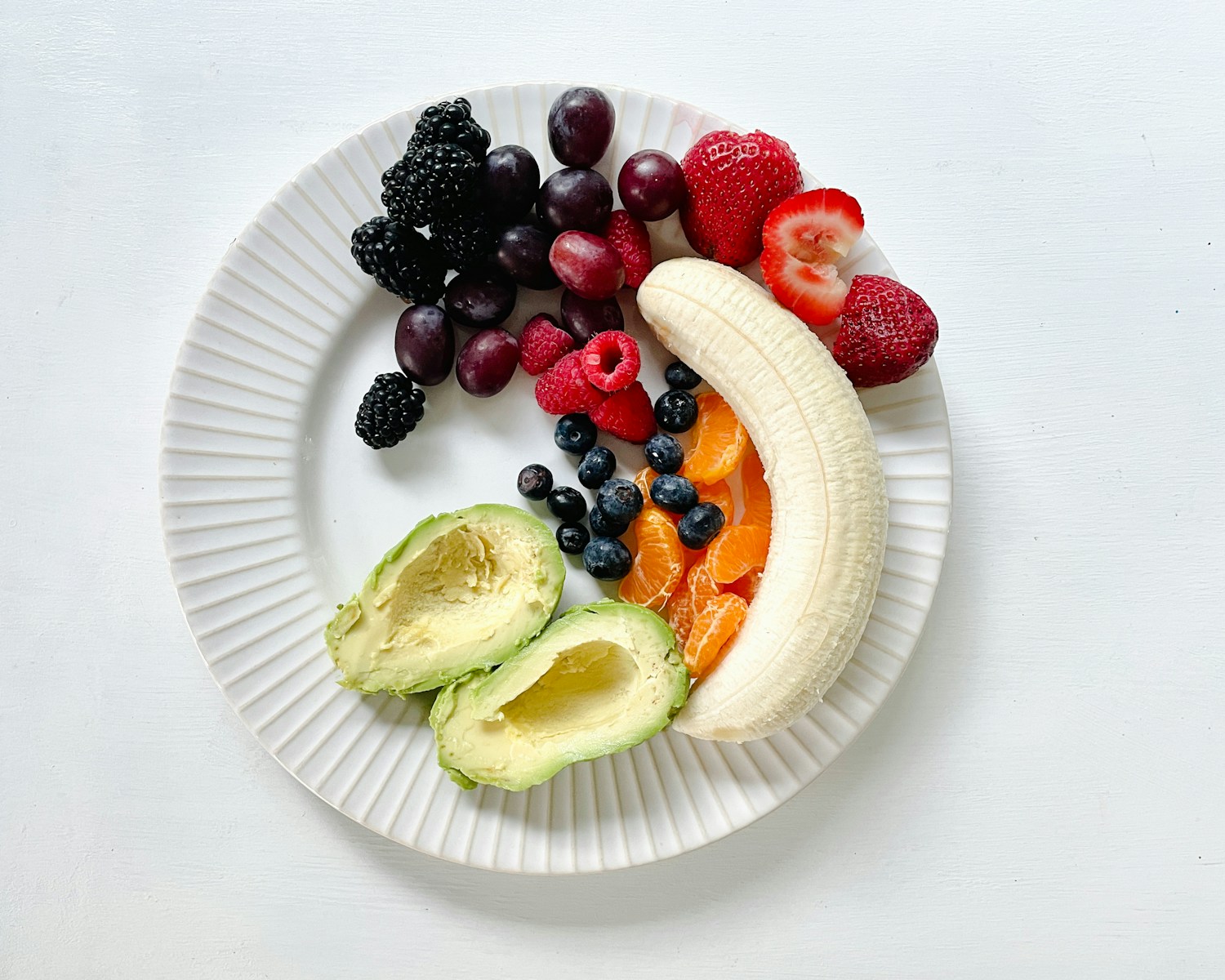
Whole foods are foods that remain close to their natural form. They may be washed, cut, frozen, or cooked, but they haven’t been heavily altered or loaded with extra ingredients.
Examples include:
- Fresh fruit
- Vegetables
- Beans and lentils
- Eggs
- Fresh fish
- Chicken
- Oats
- Brown rice
- Plain yogurt
- Unsalted nuts
- Seeds
Whole foods are naturally rich in vitamins, minerals, fiber, healthy fats, and other nutrients your body needs.
A diet built around these foods has consistently been linked to better heart health, improved blood sugar control, lower rates of obesity, and a reduced risk of many chronic diseases.
If you’re trying to build healthier eating habits without following restrictive trends, start with our guide on How to Build a Healthy Diet Without Following Fad Diets, which explains how to create a balanced eating pattern that lasts.
What Are Processed Foods?
Processing simply means a food has been changed from its original form.
That change can be very small or very significant.
For example:
Minimally Processed Foods
These foods have been processed mainly for safety, convenience, or freshness.
Examples include:
- Frozen vegetables
- Frozen fruit
- Plain Greek yogurt
- Rolled oats
- Canned beans
- Pasteurized milk
- Frozen fish
These foods are still highly nutritious and often make healthy eating easier.
Moderately Processed Foods
Some foods contain added ingredients but can still fit into a healthy diet.
Examples include:
- Whole grain bread
- Cheese
- Peanut butter
- Canned tuna
- Pasta
- Tomato sauce
The nutritional quality depends on the ingredients and portion size.
Ultra-Processed Foods
Ultra-processed foods usually contain ingredients that aren’t commonly used in home cooking, along with added sugars, refined starches, unhealthy fats, artificial flavors, colors, and preservatives.
Examples include:
- Soft drinks
- Candy
- Chips
- Instant noodles
- Packaged pastries
- Sugary breakfast cereals
- Chicken nuggets
- Highly processed frozen meals
These foods are typically designed to be convenient, inexpensive, and highly appealing, making it easy to eat more than intended.
Why Whole Foods Are Usually the Better Choice
Whole foods provide much more than just calories.
They deliver nutrients that work together in ways supplements and isolated ingredients often cannot replicate.
For example, an apple contains:
- Fiber
- Vitamin C
- Potassium
- Water
- Natural plant compounds called polyphenols
Together, these components help support digestion, heart health, and overall well-being.
Apple juice, on the other hand, contains much less fiber and is easier to consume quickly, making it less filling despite having similar calories.
This is one reason nutrition experts often recommend eating whole fruit instead of drinking fruit juice.
Processed Doesn’t Always Mean Unhealthy
One of the biggest myths in nutrition is that all processed foods should be avoided.
That’s simply not supported by the evidence.
Consider these examples:
Frozen vegetables are often frozen within hours of harvesting, helping preserve nutrients.
Canned beans are affordable, high in protein and fiber, and save preparation time.
Plain yogurt provides protein and beneficial bacteria.
Fortified breakfast cereals can help some people meet important vitamin and mineral needs.
Whole grain bread makes it easier to increase fiber intake.
In many cases, these foods improve access to healthy nutrition, especially for busy families.
The key is choosing products with simple ingredient lists and reasonable amounts of sodium, added sugar, and saturated fat.
Learning to evaluate those details becomes much easier once you know how to read food packaging. Our guide on How to Read Nutrition Labels Like a Dietitian walks you through exactly what to look for.
What Makes Ultra-Processed Foods Different?
Ultra-processed foods tend to have several characteristics in common.
They often contain:
- Large amounts of added sugar
- Refined grains
- Excess sodium
- Highly refined oils
- Artificial flavorings
- Emulsifiers
- Sweeteners
- Stabilizers
- Preservatives
Many are also engineered to have the perfect combination of sweetness, saltiness, and texture, encouraging people to keep eating even after they’re full.
This doesn’t mean every ultra-processed food is dangerous.
Rather, diets that rely heavily on these foods are generally associated with poorer health outcomes.
What Does the Research Say?
Over the past decade, researchers have found that people who eat large amounts of ultra-processed foods are more likely to experience:
- Weight gain
- Type 2 diabetes
- High blood pressure
- Heart disease
- Certain cancers
- Depression
- Poor overall diet quality
It’s important to remember that these studies often look at overall eating patterns rather than blaming a single food.
Someone whose diet consists mostly of sugary drinks, fast food, and packaged snacks is likely consuming fewer fruits, vegetables, whole grains, and lean proteins.
That broader dietary pattern is what matters most.
Convenience Isn’t the Enemy
Many people assume healthy eating requires preparing every meal from scratch.
For most households, that’s unrealistic.
Convenient foods can make healthy eating much easier.
Some smart choices include:
- Frozen vegetables
- Frozen berries
- Rotisserie chicken
- Canned tuna
- Canned salmon
- Microwaveable brown rice
- Frozen mixed vegetables
- Low-sodium canned beans
- Plain oatmeal
- Unsweetened yogurt
Using these foods can save time without sacrificing nutrition.
Don’t Judge a Food by Its Packaging Alone
A product with attractive marketing isn’t necessarily healthy.
Likewise, food in a can or freezer isn’t automatically unhealthy.
Instead of relying on front-of-package claims like:
- Natural
- Clean
- Low fat
- High protein
- Superfood
turn the package over and examine the Nutrition Facts panel and ingredient list.
Manufacturers often highlight one positive feature while downplaying less desirable ingredients.
Reading labels gives you a much clearer picture.
How to Build a Mostly Whole-Food Diet
You don’t need to eliminate processed foods completely.
Instead, aim for a balance where whole foods make up most of your meals.
Here are some practical ideas:
Breakfast
Instead of:
Sugary cereal
Try:
Oatmeal with berries and nuts
Lunch
Instead of:
Fast-food burger and fries
Try:
Whole grain wrap with grilled chicken, vegetables, and hummus
Snack
Instead of:
Candy
Try:
Apple slices with peanut butter
Dinner
Instead of:
Highly processed frozen pizza every night
Try:
Grilled chicken, brown rice, and roasted vegetables, with frozen vegetables if you’re short on time.
Small substitutions repeated consistently have a much bigger impact than attempting a complete dietary overhaul overnight.
Affordable Whole Foods
Many people believe eating healthy is expensive.
While some speciality products cost more, many nutritious foods are among the most affordable items in the grocery store.
Budget-friendly choices include:
- Oats
- Beans
- Lentils
- Rice
- Eggs
- Frozen vegetables
- Frozen fruit
- Potatoes
- Cabbage
- Carrots
- Bananas
- Peanut butter
Buying seasonal produce and choosing store brands can also reduce costs.
Do You Need to Avoid Ultra-Processed Foods Completely?
No.
Completely banning foods often leads to frustration and overeating later.
Instead, think about frequency.
If most of your meals are built around nutritious foods, having pizza with friends, enjoying birthday cake, or eating chips during a movie isn’t likely to harm your overall health.
It’s the overall pattern that matters.
Healthy eating isn’t about perfection.
It’s about consistency.
Common Myths About Processed Foods
Myth: All processed foods are unhealthy.
Reality: Many processed foods, including frozen vegetables, yogurt, canned beans, and whole grain bread, are nutritious and convenient.
Myth: Organic foods are always healthier.
Reality: Organic and conventional foods can both be nutritious. Organic refers to how food is produced, not necessarily its nutritional value.
Myth: Ingredients you can’t pronounce are always harmful.
Reality: Some scientific names sound intimidating but are simply vitamins, minerals, or naturally occurring compounds. Focus on the overall nutritional quality rather than judging ingredients by their names.
Myth: Healthy food must be homemade.
Reality: While cooking at home is beneficial, many store-bought foods can absolutely be part of a healthy diet.
Smart Grocery Shopping Tips
When shopping:
- Fill your cart with fruits and vegetables first.
- Choose whole grains when possible.
- Buy lean protein sources.
- Compare labels instead of trusting marketing claims.
- Keep nutritious convenience foods on hand.
- Limit sugary drinks.
- Avoid shopping when extremely hungry.
- Remember that frozen and canned produce can be just as practical as fresh options.
Frequently Asked Questions
Are frozen vegetables considered processed?
Yes, but only minimally. Frozen vegetables retain most of their nutrients and are an excellent choice.
Is canned food unhealthy?
Not necessarily. Canned beans, tomatoes, fish, and vegetables can be nutritious. Look for options with lower sodium or rinse canned beans before using them.
Is bread a processed food?
Yes. However, whole grain bread with a short ingredient list can be a healthy part of a balanced diet.
How much of my diet should come from whole foods?
There’s no universal percentage, but aiming for whole foods to make up the majority of your meals is a practical and evidence-based approach.
Should I completely avoid ultra-processed foods?
No. Enjoying them occasionally while maintaining an overall nutritious diet is a realistic and sustainable strategy.
Final Thoughts
The debate between whole foods and processed foods is often presented as if you have to choose one or the other. In reality, healthy eating isn’t that black and white.
Whole foods deserve to be the foundation of your diet because they provide the nutrients your body needs in their most complete form. At the same time, many minimally processed foods, such as frozen vegetables, canned beans, plain yogurt, and whole grain bread, make healthy eating more convenient and accessible.
Rather than fearing every packaged product, focus on building meals that include plenty of fruits, vegetables, whole grains, lean proteins, and healthy fats while limiting foods that are heavily processed and high in added sugar, sodium, and unhealthy fats.
Most importantly, remember that no single food determines your health. Your long-term eating habits matter far more than any one meal or snack.
Related reading:
How to Build a Healthy Diet Without Following Fad Diets to learn how to create sustainable eating habits that fit real life.